Including hobbies and interests on a resume is often seen as a simple way to showcase personality, but it can offer much more than that. For many individuals, this section becomes a starting point for discovering meaningful and affordable activities that align with their skills and passions. Instead of viewing hobbies as separate from professional growth, they can be seen as valuable tools that reflect creativity, discipline, and initiative.
When individuals take time to reflect on their interests, they often uncover activities that require little to no financial investment. These hobbies can enhance both personal satisfaction and professional appeal. By identifying interests that are accessible and engaging, individuals can build a well-rounded lifestyle without overspending.
Exploring hobbies through the lens of a resume encourages intentional choices. It allows individuals to connect their personal interests with their long-term goals, making hobbies not just enjoyable but also purposeful and rewarding.
Understanding the Value of Hobbies in Professional Profiles
Hobbies and interests on a resume provide insight into a person’s character beyond their work experience. Employers often look for qualities such as creativity, teamwork, and dedication, which can be reflected through personal activities. When individuals include hobbies, they demonstrate that they have a well-balanced life and are capable of managing time effectively.
More importantly, hobbies can highlight transferable skills. For example, someone who enjoys writing or blogging shows communication skills, while participation in sports may indicate teamwork and discipline. These qualities can make a candidate stand out, especially when competing with others who have similar qualifications.
Exploring hobbies with intention also allows individuals to align their interests with personal development. Many people begin exploring low cost hobbies for personal development after realizing that these activities can enhance both their resumes and their daily lives. This approach turns hobbies into valuable assets rather than simple pastimes.
Identifying Affordable Hobbies That Reflect Your Strengths
Choosing hobbies that align with personal strengths can make the experience more enjoyable and sustainable. Instead of investing in expensive activities, individuals can focus on interests that require minimal resources but offer maximum engagement. Writing, reading, sketching, or learning new skills online are excellent examples of hobbies that are both affordable and enriching.
By focusing on strengths, individuals are more likely to stay consistent and motivated. This consistency helps them develop skills over time, which can be beneficial both personally and professionally. For instance, someone with a natural interest in communication might explore blogging or public speaking, while a detail-oriented person may enjoy crafting or organizing projects.
Affordable hobbies also provide flexibility. They can be adjusted based on available time and resources, making them accessible to individuals with different lifestyles. This adaptability ensures that hobbies remain a positive and manageable part of everyday life.
Using Resume Hobbies as a Guide for Skill Development
Hobbies listed on a resume can serve as a roadmap for skill development. Instead of randomly selecting activities, individuals can choose hobbies that complement their career goals. This strategic approach allows them to build relevant skills while enjoying the process.
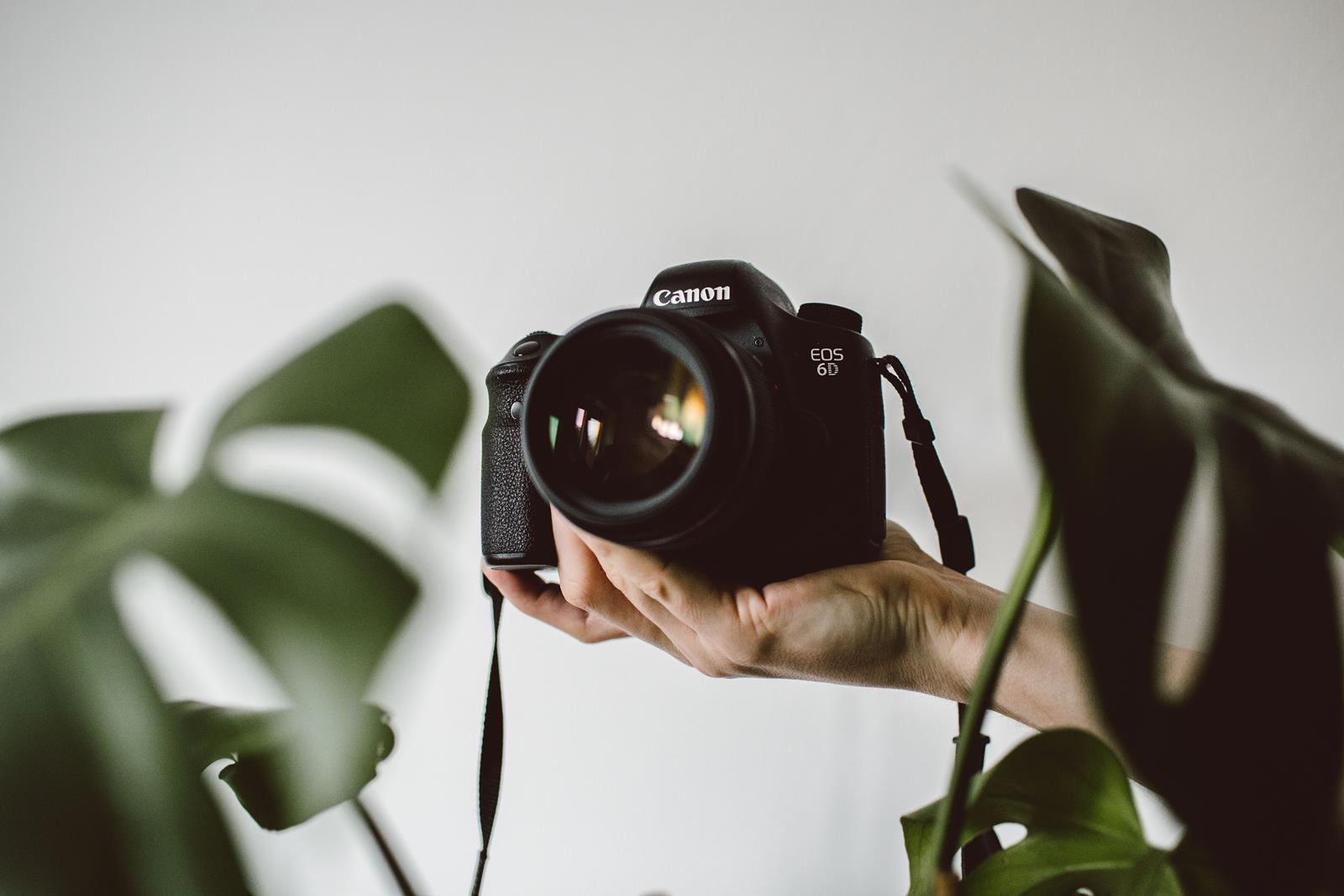
For example, someone pursuing a career in marketing might explore photography, content creation, or social media management as hobbies. These activities not only provide enjoyment but also enhance professional capabilities. Over time, these skills can be showcased in portfolios or interviews, adding value to the individual’s profile.
Additionally, using hobbies as a development tool encourages continuous learning. It creates opportunities to experiment, improve, and grow without the pressure often associated with formal training. This makes the learning process more enjoyable and sustainable in the long run.
Building Confidence Through Simple and Accessible Activities
Engaging in hobbies that are easy to start helps build confidence. When individuals see progress in their chosen activities, they develop a sense of accomplishment that can positively impact other areas of their lives. This confidence is particularly important for those who are just beginning to explore new interests.
Simple hobbies such as journaling, drawing, or basic fitness routines require little investment but offer significant personal benefits. These activities allow individuals to focus on self-improvement without feeling overwhelmed by complexity or cost. As they gain experience, they can gradually explore more advanced aspects of their hobbies if they choose to do so.
Confidence gained from hobbies often translates into professional settings. Individuals become more comfortable expressing ideas, taking initiative, and embracing challenges. This connection between personal growth and professional development highlights the true value of engaging in meaningful hobbies.
Turning Resume Interests into Lifelong Passions
What begins as a simple entry on a resume can evolve into a lifelong passion. Many individuals discover that hobbies they initially pursued for personal or professional reasons become integral parts of their identity. This transformation occurs when they invest time, effort, and genuine interest into their chosen activities.
As hobbies develop, they can open doors to new opportunities. Individuals may find themselves joining communities, participating in events, or even turning their interests into side projects. These experiences enrich their lives and provide a sense of purpose that extends beyond work.
Platforms that focus on practical hobbies for everyday fulfillment often emphasize the importance of consistency and enjoyment. When individuals approach hobbies with curiosity and commitment, they create a sustainable path toward personal satisfaction and growth.
Conclusion
Hobbies and interests listed on a resume are more than just additional details—they are reflections of personality, potential, and passion. By thoughtfully selecting and exploring these activities, individuals can discover low-cost hobbies that enhance both their personal and professional lives. These hobbies provide opportunities for skill development, confidence building, and meaningful engagement without requiring significant financial investment. As individuals continue to nurture their interests, they create a balanced lifestyle that supports growth and fulfillment. Ultimately, the connection between hobbies and professional identity highlights the importance of pursuing activities that align with both personal enjoyment and long-term goals, making every hobby a valuable step toward a more enriched and purposeful life.