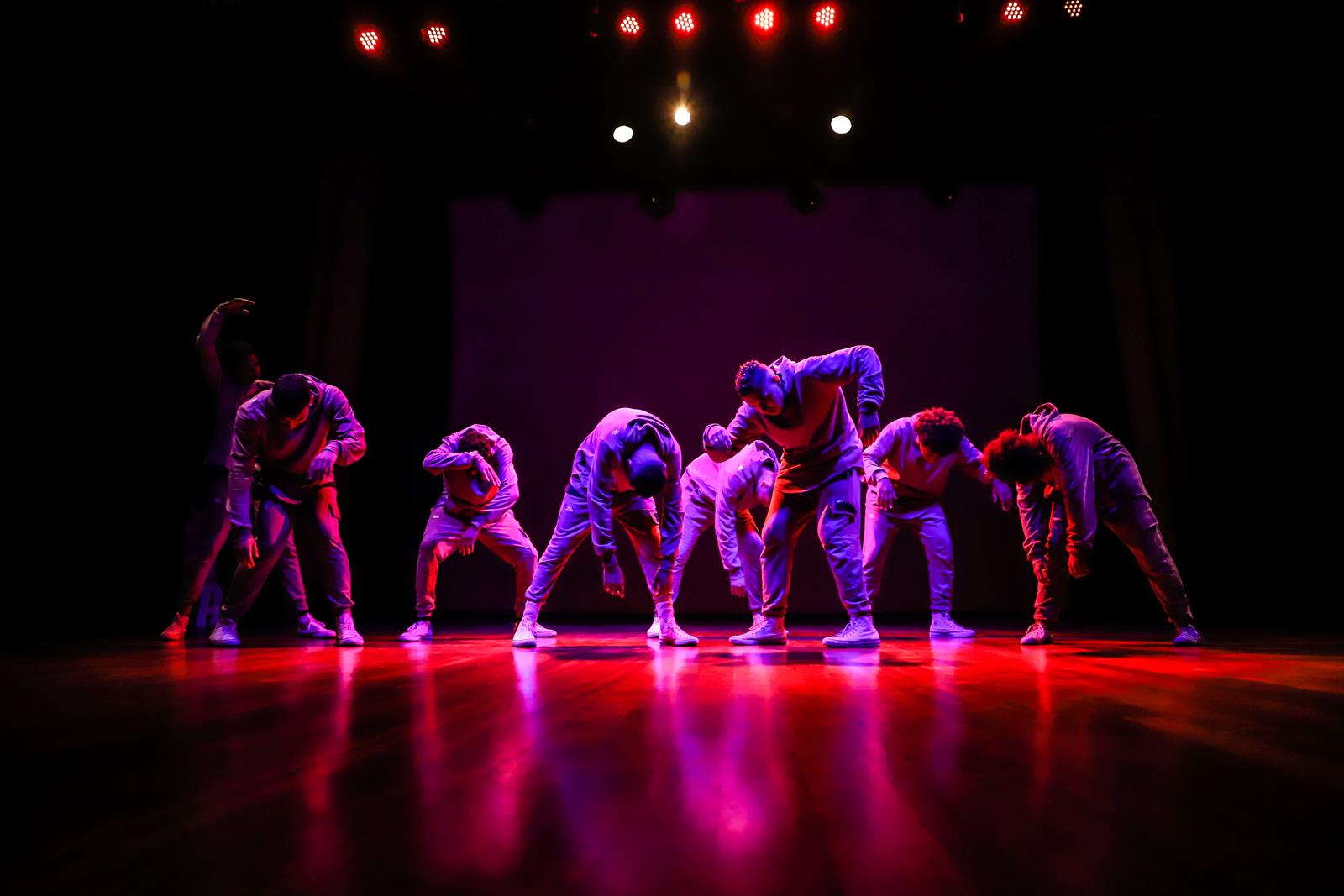
When creating a CV, many people focus mainly on work experience and education, often overlooking the importance of hobbies and personal interests. However, including the right hobbies can provide valuable insight into your personality, skills, and cultural fit for a role. Employers increasingly look for well-rounded candidates, and your hobbies can help demonstrate qualities that may not be evident from your professional background alone.
The key is to include hobbies that are relevant, meaningful, and aligned with the job you are applying for. This article explains what to include in the hobbies section of your CV and how to use it effectively to stand out from other applicants.
Why Include Hobbies on Your CV
Hobbies can help employers understand your personality and how you might fit within a team or company culture. They can also highlight transferable skills such as teamwork, creativity, and leadership.
Including hobbies is especially useful for candidates with limited work experience, as it provides additional context about their abilities and interests.
For those exploring hobbies to include on CV, understanding their value can help you present a more complete and engaging profile.
Choosing Relevant Hobbies
Not all hobbies are suitable for a CV. It is important to select activities that are relevant to the job or demonstrate useful skills.
For example, team sports can show collaboration and leadership, while creative hobbies can highlight innovation and problem-solving abilities. Choosing hobbies that align with the role increases their impact.
Relevance ensures that your hobbies contribute positively to your application.
Highlighting Transferable Skills
Hobbies can showcase skills that are valuable in the workplace. These may include communication, time management, adaptability, and critical thinking.
For instance, participating in group activities can demonstrate teamwork, while solo hobbies may reflect discipline and focus.
Emphasizing these skills helps employers see how your personal interests translate into professional strengths.
Demonstrating Passion and Commitment
Employers value candidates who show dedication and enthusiasm. Including hobbies that you actively pursue demonstrates commitment and passion.
Long-term involvement in activities, such as volunteering or learning new skills, reflects reliability and perseverance.
Showing genuine interest in your hobbies makes your CV more authentic and engaging.
Examples of Good Hobbies to Include
Some hobbies are particularly effective for CVs because they highlight desirable qualities. Examples include volunteering, sports, creative arts, and learning new languages.
These activities demonstrate a range of skills, from teamwork to creativity and cultural awareness. They also show that you are proactive and engaged.
Choosing strong examples helps strengthen your overall application.
Hobbies to Avoid on a CV
Certain hobbies may not add value or could even harm your application. Generic or overly personal interests, such as watching television without context, may not provide meaningful insights.
It is also important to avoid controversial or potentially inappropriate activities. Keeping your hobbies professional ensures that your CV remains suitable for all audiences.
Being selective helps maintain a positive impression.
How to Present Hobbies Effectively
The way you present your hobbies is just as important as the hobbies themselves. Instead of listing them without context, provide brief descriptions that highlight relevant skills.
For example, rather than simply stating “sports,” you could mention participation in a team and any leadership roles. This adds depth and clarity.
Clear and concise presentation makes your hobbies more impactful.
Tailoring Hobbies to the Job Role
Customizing your CV for each job application is essential. This includes adjusting your hobbies to match the requirements and culture of the organization.
Researching the company helps you understand what qualities they value. Aligning your hobbies with these qualities increases your chances of making a strong impression.
Tailoring your CV shows attention to detail and genuine interest in the role.
Using Hobbies to Stand Out
In competitive job markets, small details can make a big difference. Unique or interesting hobbies can help you stand out and create memorable impressions.
Activities that demonstrate initiative, such as starting a project or learning a new skill independently, can be particularly effective.
Standing out with meaningful hobbies can give you an advantage over other candidates.
Final Tips for Including Hobbies
When adding hobbies to your CV, keep them relevant, concise, and professional. Focus on quality rather than quantity, and ensure that each hobby adds value to your application.
Avoid exaggeration and be prepared to discuss your hobbies during interviews. Authenticity is key to building trust with potential employers.
For those seeking additional guidance, CV writing tips and career advice can provide helpful insights into creating a strong and effective resume.
Conclusion
Including hobbies on your CV can enhance your application by showcasing your personality, skills, and interests. By choosing relevant activities, highlighting transferable skills, and presenting them effectively, you can create a more engaging and well-rounded profile. Tailoring your hobbies to the job role and maintaining professionalism further strengthens your CV. Ultimately, the right hobbies can help you stand out and leave a lasting impression on potential employers.