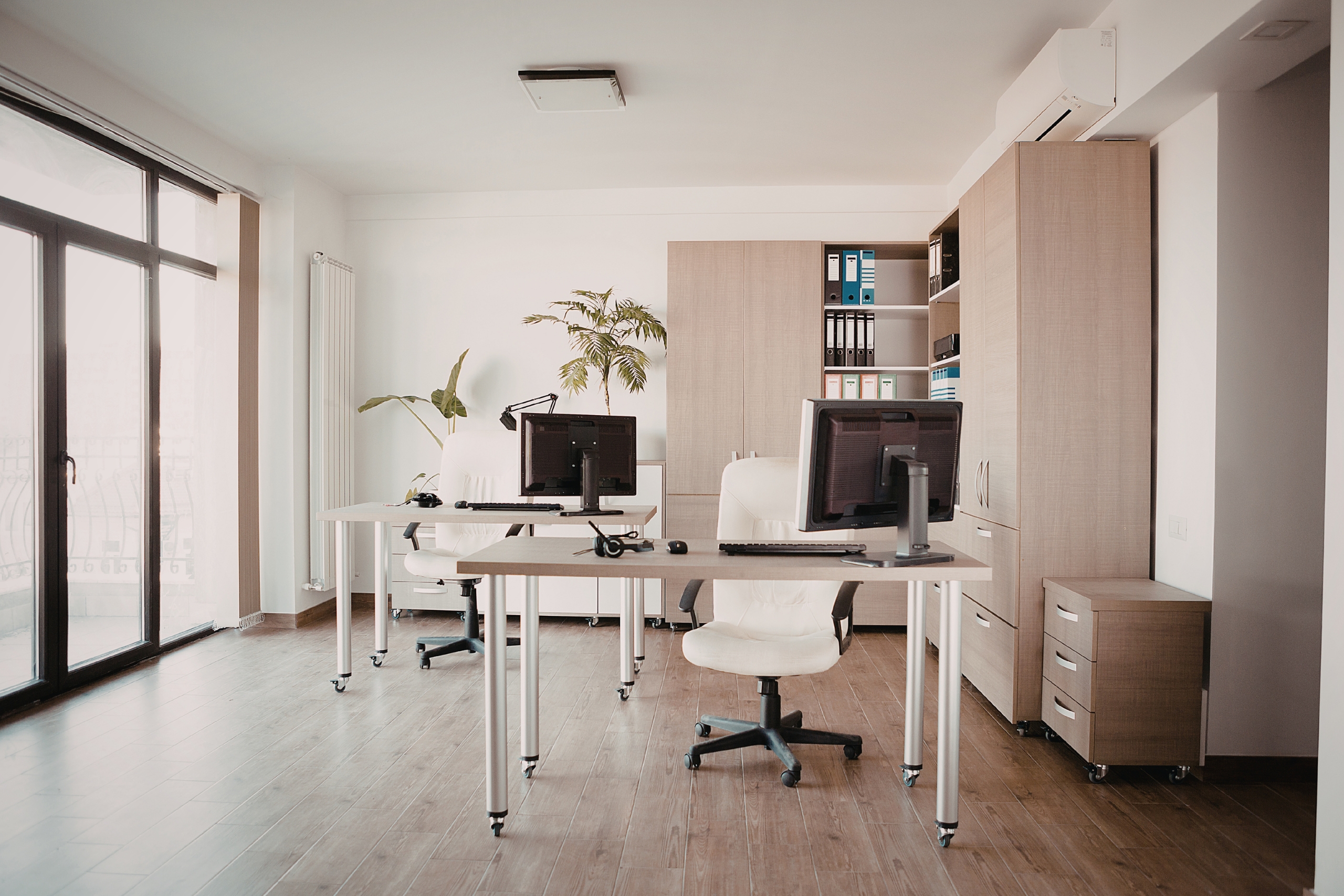
Creating a home office has become increasingly important as more people embrace remote work and flexible schedules. A well-designed workspace not only improves productivity but also enhances comfort and focus throughout the day. One of the key elements in building an effective home office is choosing the right furniture. The right combination of pieces can transform any space into a functional and inspiring work environment.
Whether setting up a dedicated room or a small corner within a living area, selecting furniture that fits both the space and work needs is essential. From desks and chairs to storage solutions and accessories, each piece plays a role in creating an organized and efficient workspace.
Understanding the different types of furniture available helps individuals make informed decisions. With thoughtful planning, a home office can become a comfortable and productive area that supports daily work activities.
Choosing the Right Desk for Your Workspace
The desk is the centerpiece of any home office, making it one of the most important furniture choices. It should provide enough surface area for essential work items such as a computer, documents, and other tools. The size and style of the desk should match the available space and the user’s work requirements.
There are various desk options to consider, including writing desks, executive desks, and compact corner desks. Each type offers different benefits depending on the layout and purpose of the workspace. For smaller areas, a minimalist desk can maximize efficiency without taking up too much room.
Many individuals explore home office furniture solutions for productivity and space efficiency to find desks that balance functionality and design. Selecting the right desk ensures a comfortable and organized work environment.
Selecting an Ergonomic Office Chair
An ergonomic chair is essential for maintaining comfort and supporting long hours of work. A good chair should provide proper back support, adjustable height, and cushioning to reduce strain on the body.
Investing in a quality chair can improve posture and prevent discomfort, making it easier to focus on tasks. Adjustable features allow users to customize the chair to their specific needs, enhancing overall comfort.
Choosing a chair that complements the desk and workspace design also contributes to a cohesive look. Comfort and functionality should always be prioritized when selecting this key piece of furniture.
Storage Solutions for Organization
Keeping a home office organized is crucial for maintaining productivity. Storage furniture such as cabinets, shelves, and drawers helps keep documents and supplies neat and easily accessible.
Vertical storage options, such as wall-mounted shelves, are ideal for maximizing space in smaller areas. Filing cabinets provide a secure place for important documents, while open shelving can be used for frequently accessed items.
An organized workspace reduces clutter and creates a more efficient environment. Proper storage solutions ensure that everything has its place, making it easier to stay focused and productive.
Incorporating Multi-Functional Furniture
Multi-functional furniture is a practical choice for home offices, especially in limited spaces. Pieces that serve more than one purpose help maximize efficiency and reduce the need for additional items.
Examples include desks with built-in storage, foldable tables, and convertible furniture that can adapt to different needs. These options are particularly useful in shared spaces where flexibility is important.
Using multi-functional furniture allows individuals to create a workspace that is both versatile and efficient. This approach ensures that the office remains practical without compromising on style.
Lighting and Accessories for a Complete Setup
Lighting plays a significant role in creating a comfortable and productive home office. Proper lighting reduces eye strain and enhances visibility, making it easier to work for extended periods.
Desk lamps, overhead lighting, and natural light sources should be considered when setting up the workspace. Adjustable lighting options provide flexibility and allow users to customize brightness levels.
Accessories such as organizers, cable management tools, and decorative items add functionality and personality to the space. For those exploring modern workspace design ideas for home office comfort, combining lighting and accessories creates a balanced and inviting environment.
Designing a Comfortable and Inspiring Workspace
A well-designed home office should be both functional and visually appealing. Choosing colors, materials, and layouts that reflect personal style can make the space more enjoyable to use.
Adding elements such as plants, artwork, or personal items can create a more inviting atmosphere. These touches help reduce stress and improve overall well-being while working.
Balancing aesthetics with practicality ensures that the workspace supports both productivity and comfort. A thoughtfully designed office encourages focus and creativity.
Maximizing Space in Small Home Offices
Not all home offices have the luxury of large spaces, but even small areas can be transformed into efficient work environments. Strategic furniture placement and compact designs help make the most of limited space.
Using corner desks, vertical storage, and foldable furniture allows for better utilization of available areas. Keeping the layout simple and uncluttered enhances functionality and comfort.
Maximizing space ensures that the home office remains practical and organized, regardless of size. This approach makes it possible to create an effective workspace in any setting.
Conclusion
Setting up a home office requires careful consideration of furniture choices to create a space that is both functional and comfortable. From selecting the right desk and ergonomic chair to incorporating storage solutions and multi-functional pieces, each element plays a role in supporting productivity. Thoughtful design, proper lighting, and efficient use of space further enhance the overall experience. By choosing furniture that aligns with individual needs and preferences, it is possible to create a workspace that encourages focus, organization, and creativity. Ultimately, a well-designed home office not only improves work performance but also contributes to a more enjoyable and balanced daily routine.