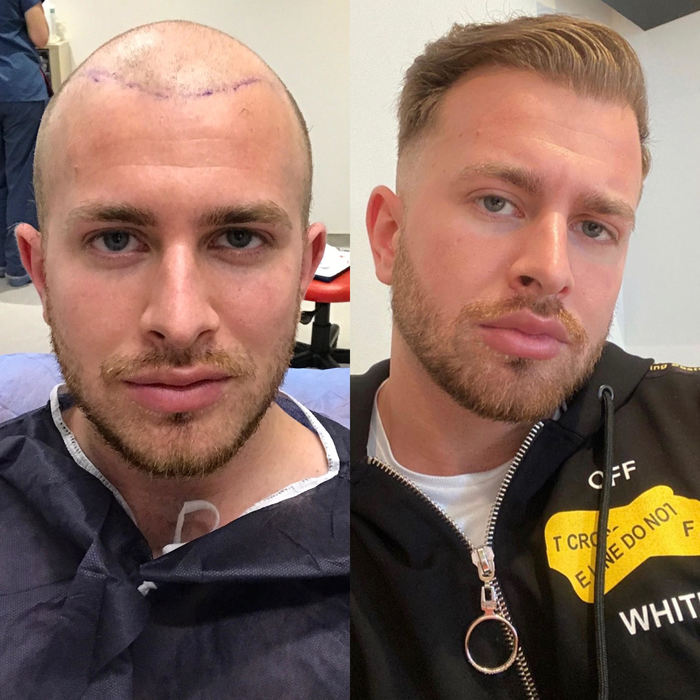
Hair loss can significantly affect confidence and self-image, leading many individuals to explore effective and long-lasting solutions. Among the most popular options today is hair transplantation, and Turkey has emerged as a global destination for this procedure. Known for its combination of advanced medical facilities, experienced specialists, and competitive pricing, Turkey attracts thousands of patients each year seeking hair restoration treatments.
However, choosing to undergo a hair transplant abroad requires careful consideration. While the benefits can be appealing, it is important to understand the process, potential risks, and factors that contribute to a successful outcome. From selecting the right clinic to preparing for recovery, every step plays a role in the overall experience.
By gaining a clear understanding of hair transplants in Turkey, individuals can make informed decisions that align with their expectations and ensure safe and satisfying results.
Why Turkey Has Become a Leading Destination for Hair Transplants
Turkey’s rise as a leading destination for hair transplants is largely due to its combination of affordability and quality. Clinics in the country often offer advanced procedures at a fraction of the cost compared to other regions, making it accessible to a wider range of patients. This cost advantage does not necessarily mean lower quality, as many clinics are equipped with modern technology and experienced professionals.
Another key factor is the high volume of procedures performed in Turkey. Surgeons gain extensive experience by treating a large number of patients, which can contribute to improved outcomes. This level of expertise has helped build the country’s reputation in the field of hair restoration.
Many individuals researching hair transplant procedures in Turkey for natural results are drawn to the balance between cost and quality. This reputation continues to attract international patients seeking reliable and effective solutions.
Understanding the Different Hair Transplant Techniques
Hair transplant procedures have evolved significantly over the years, with modern techniques offering more natural and less invasive results. The two most common methods are Follicular Unit Extraction and Follicular Unit Transplantation. Each technique has its own advantages and is chosen based on the patient’s needs and preferences.
Follicular Unit Extraction involves removing individual hair follicles from the donor area and implanting them into the target area. This method is less invasive and typically results in minimal scarring. Follicular Unit Transplantation, on the other hand, involves removing a strip of skin containing hair follicles, which are then divided and transplanted.
Understanding these techniques helps patients choose the most suitable option. Consulting with a qualified specialist ensures that the selected method aligns with the individual’s hair type, condition, and desired outcome.
Factors to Consider When Choosing a Clinic
Selecting the right clinic is one of the most important decisions in the hair transplant process. Patients should research the clinic’s reputation, credentials, and experience before making a choice. Reading reviews, viewing before-and-after photos, and verifying certifications can provide valuable insights.
It is also important to consider the qualifications of the medical team. Experienced surgeons and trained staff contribute to the success of the procedure. Transparency in communication and a clear explanation of the process are also indicators of a reliable clinic.
Patients should avoid making decisions based solely on price. While affordability is a key advantage, quality and safety should always be the top priorities. A thorough evaluation ensures a more positive and secure experience.
The Procedure and What to Expect
The hair transplant procedure typically begins with a consultation to assess the patient’s condition and determine the best approach. On the day of the procedure, local anesthesia is applied to ensure comfort. The chosen technique is then performed, which may take several hours depending on the extent of the treatment.
After the procedure, patients receive instructions for post-operative care. This includes guidelines on washing, medication, and avoiding certain activities. Following these instructions is essential for proper healing and achieving optimal results.
While the procedure itself is relatively straightforward, understanding each step helps reduce anxiety and ensures that patients are well-prepared for the experience.
Recovery and Long-Term Results
Recovery is a crucial phase in the hair transplant journey. Most patients experience mild swelling and discomfort in the days following the procedure, which typically subsides within a short period. Proper care and adherence to medical advice play a significant role in the healing process.
Hair growth occurs gradually, with visible results appearing over several months. Patience is important, as the final outcome may take up to a year to fully develop. During this time, patients may notice shedding of transplanted hair before new growth begins.
Long-term results depend on factors such as the quality of the procedure, the patient’s overall health, and adherence to aftercare instructions. With proper care, hair transplants can provide natural and lasting improvements.
Risks and Considerations to Keep in Mind
Like any medical procedure, hair transplants come with potential risks. These may include infection, scarring, or unsatisfactory results if the procedure is not performed correctly. Choosing a reputable clinic and following medical advice can significantly reduce these risks.
Traveling for treatment also requires additional planning. Patients should consider factors such as travel arrangements, accommodation, and follow-up care. Ensuring that all aspects are well-organized contributes to a smoother experience.
For those exploring safe and effective aesthetic treatments for hair restoration, understanding the risks and preparing accordingly helps ensure a successful outcome. Being informed allows patients to make confident decisions about their treatment.
Conclusion
Hair transplants in Turkey offer a compelling option for individuals seeking effective and affordable hair restoration solutions. With advanced techniques, experienced professionals, and competitive pricing, the country has established itself as a leading destination in the field of aesthetic procedures. However, achieving successful results requires careful planning, thorough research, and a clear understanding of the process. From selecting the right clinic to following proper aftercare, each step plays a vital role in the overall experience. By approaching the decision with knowledge and preparation, individuals can achieve natural-looking results and regain confidence, making the journey both rewarding and worthwhile.