In today’s digital age, many parents find it challenging to limit their toddlers’ screen time. While technology can be educational and entertaining, excessive use may affect a child’s development, creativity, and social interaction. As a result, more families are looking for alternative ways to keep young children engaged without relying heavily on screens.
Toddlers are naturally curious and energetic, making it important to provide activities that stimulate both their minds and bodies. Engaging them in hands-on play, creative exploration, and interactive experiences helps support their growth and learning. These activities also encourage stronger parent-child bonding and improve attention spans.
By introducing a variety of screen-free entertainment options, parents can create a balanced routine that promotes healthy development. With thoughtful planning, it is possible to keep toddlers entertained, active, and happy without depending on digital devices.
Encouraging Creative Play and Imagination
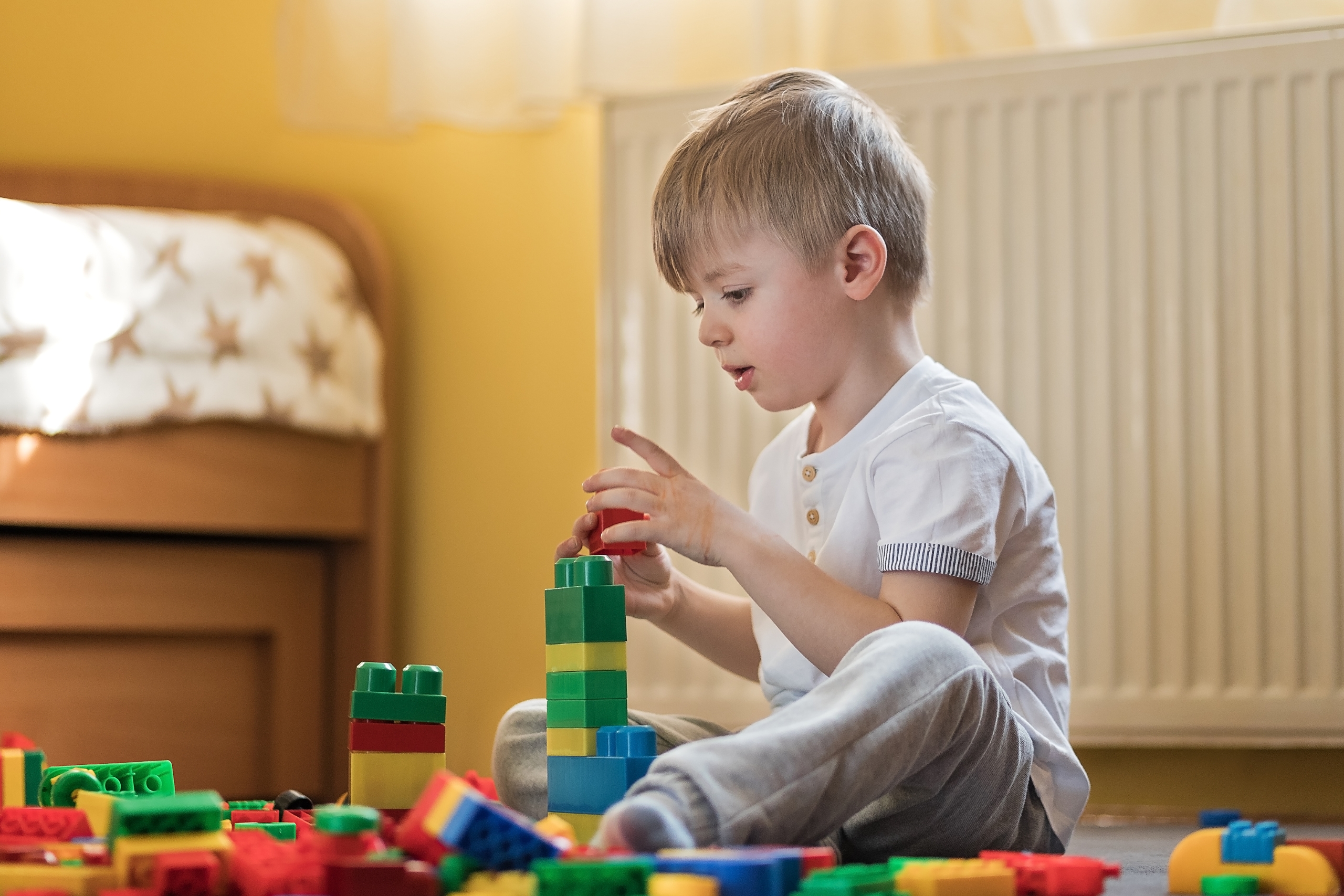
Creative play is one of the most effective ways to entertain toddlers without screens. Activities such as drawing, coloring, and building with blocks allow children to express themselves freely. These forms of play help develop fine motor skills and encourage imaginative thinking.
Simple materials like paper, crayons, and safe craft supplies can provide hours of entertainment. Toddlers enjoy creating their own artwork and exploring different textures and colors. This process not only keeps them engaged but also boosts their confidence.
Many parents explore screen free entertainment ideas for toddlers at home to support creativity and reduce reliance on digital devices. Encouraging imaginative play helps children develop problem-solving skills and a sense of independence.
Outdoor Activities for Physical Development
Outdoor play is essential for a toddler’s physical and mental well-being. Activities such as running, playing with balls, or exploring a park provide opportunities for movement and discovery. Fresh air and open spaces help improve mood and energy levels.
Simple outdoor games like chasing bubbles or playing with water can be both fun and educational. These activities encourage coordination and strengthen muscles while keeping toddlers entertained.
Spending time outside also introduces children to nature, helping them learn about their surroundings. This type of engagement supports overall development and creates memorable experiences.
Interactive Learning Through Play
Toddlers learn best through interactive experiences. Activities such as puzzles, sorting games, and matching exercises help develop cognitive skills. These games encourage problem-solving and improve memory in a fun and engaging way.
Reading books together is another valuable activity. Storytime helps build language skills and fosters a love for learning. Parents can make reading interactive by asking questions and encouraging toddlers to participate.
Hands-on learning activities keep toddlers engaged while supporting their development. This approach ensures that entertainment is both enjoyable and educational.
Music and Movement Activities
Music is a powerful tool for engaging toddlers. Singing songs, dancing, and playing simple instruments can keep children entertained while improving coordination and rhythm. These activities also support emotional expression and creativity.
Parents can create a fun environment by playing music and encouraging movement. Dancing together not only entertains toddlers but also strengthens the bond between parent and child.
Music-based activities are easy to incorporate into daily routines and can be adapted to suit different preferences. They provide a joyful and energetic way to reduce screen time.
Sensory Play for Exploration
Sensory play involves activities that stimulate a child’s senses, such as touch, sight, and sound. Examples include playing with sand, water, or textured materials. These experiences help toddlers explore their environment in a hands-on way.
Sensory bins filled with safe objects can provide endless opportunities for discovery. Toddlers enjoy experimenting with different textures and learning through exploration.
This type of play supports cognitive development and encourages curiosity. It also helps children develop focus and patience while engaging in meaningful activities.
Building Social Skills Through Interaction
Spending time with others is important for developing social skills. Playdates, group activities, or family interactions provide opportunities for toddlers to learn communication and cooperation.
Simple games that involve sharing and taking turns help children understand social behavior. These experiences teach empathy and build confidence in interacting with others.
For parents exploring fun family entertainment activities for child development, focusing on social interaction ensures that toddlers develop important life skills while staying engaged.
Creating a Balanced Daily Routine
Establishing a routine helps toddlers feel secure and organized. A balanced schedule that includes playtime, learning activities, and rest ensures that children remain engaged throughout the day.
Limiting screen time becomes easier when alternative activities are planned in advance. Rotating different types of activities keeps toddlers interested and prevents boredom.
Consistency in routine helps children understand expectations and develop healthy habits. This approach supports both their physical and emotional well-being.
Conclusion
Reducing screen time for toddlers does not mean limiting their entertainment. By introducing creative, interactive, and engaging activities, parents can provide meaningful alternatives that support development and growth. From outdoor play and sensory exploration to music and social interaction, there are countless ways to keep toddlers entertained without relying on digital devices. A balanced routine that includes a variety of activities helps maintain interest and encourages healthy habits. Ultimately, focusing on screen-free entertainment allows toddlers to explore, learn, and grow in a way that nurtures their curiosity, creativity, and overall well-being.