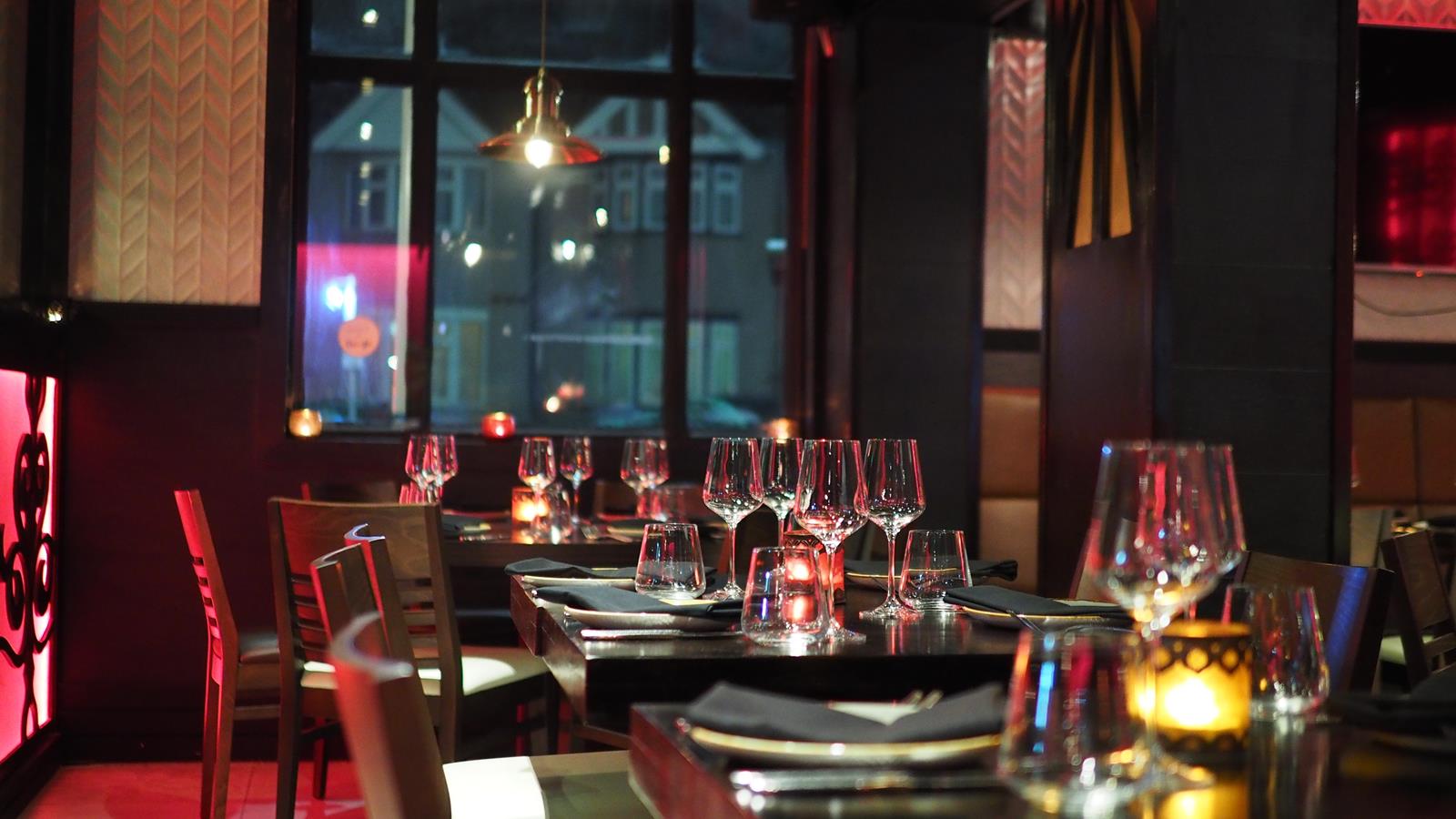
Fine dining is often associated with elegance, sophistication, and attention to detail. While table settings and décor play a significant role, the furniture itself is equally important in creating a refined dining environment. One material that has gained popularity in modern fine dining spaces is aluminum. Known for its strength, versatility, and sleek appearance, aluminum frames have become a preferred choice for dining tables, chairs, and structural elements.
Aluminum offers a unique balance between durability and design flexibility, making it suitable for both contemporary and classic dining setups. Its lightweight nature allows for easy arrangement, while its resistance to wear ensures long-lasting performance. As more homeowners and designers seek practical yet stylish solutions, aluminum frames continue to stand out as a reliable option.
Understanding how aluminum frames contribute to fine dining aesthetics and functionality can help individuals make informed decisions when designing or upgrading their dining spaces.
The Appeal of Aluminum Frames in Fine Dining Spaces
Aluminum frames have become increasingly popular in fine dining environments due to their clean and modern appearance. Their sleek lines and minimalist design make them an excellent choice for creating a sophisticated atmosphere without overwhelming the space. This subtle elegance allows other elements, such as table settings and décor, to take center stage.
Another reason for their appeal is versatility. Aluminum can be finished in various ways, including matte, brushed, or polished surfaces. These finishes allow designers to match furniture with different interior styles, from contemporary to industrial or even transitional themes.
Many designers looking for modern fine dining furniture design solutions choose aluminum frames because they provide both visual appeal and structural reliability. This combination ensures that dining spaces remain stylish while maintaining a high level of functionality.
Durability and Strength for Long-Term Use
One of the most important advantages of aluminum frames is their durability. Despite being lightweight, aluminum is strong enough to support daily use in dining environments. This makes it ideal for both residential and commercial settings where furniture needs to withstand frequent use.
Aluminum is also resistant to corrosion and rust, which adds to its longevity. Unlike other metals that may deteriorate over time, aluminum maintains its integrity even when exposed to varying conditions. This quality ensures that furniture retains its appearance and functionality for years.
Additionally, aluminum frames require minimal maintenance. Regular cleaning is usually sufficient to keep them in good condition, making them a practical choice for busy households or dining establishments. This durability makes aluminum a dependable material for fine dining furniture.
Lightweight Design for Flexibility and Convenience
The lightweight nature of aluminum is one of its most practical features. Dining furniture made with aluminum frames can be easily moved and rearranged, allowing for flexible layouts. This is particularly useful for hosting events or adjusting seating arrangements based on the occasion.
This flexibility also benefits cleaning and maintenance. Lightweight furniture can be handled with ease, making it simpler to maintain a tidy and organized dining area. For homeowners who frequently entertain guests, this convenience is a valuable advantage.
Despite being lightweight, aluminum does not compromise on stability. When properly designed, aluminum-framed furniture provides a secure and comfortable dining experience. This balance between portability and strength makes it a preferred choice for modern interiors.
Aesthetic Versatility for Different Dining Styles
Aluminum frames offer a high level of aesthetic versatility, allowing them to fit seamlessly into various dining styles. Whether the goal is to achieve a minimalist look or a more decorative setup, aluminum can adapt to different design preferences. Its neutral appearance makes it easy to pair with materials such as glass, wood, or upholstered elements.
For example, aluminum frames combined with glass tabletops create a sleek and contemporary feel, while pairing them with wooden surfaces adds warmth and contrast. This adaptability enables designers to experiment with different combinations and achieve unique results.
The ability to customize finishes and designs further enhances aluminum’s versatility. From bold and modern to subtle and classic, aluminum frames can be tailored to suit a wide range of dining environments.
Sustainability and Eco-Friendly Benefits
Sustainability has become an important consideration in modern interior design, and aluminum stands out as an environmentally friendly option. It is highly recyclable, meaning that it can be reused without losing its quality. This reduces waste and supports sustainable practices in furniture production.
Choosing aluminum frames contributes to a more eco-conscious approach to design. Its long lifespan also minimizes the need for frequent replacements, further reducing environmental impact. For individuals who value sustainability, aluminum offers a responsible and practical choice.
Many people exploring elegant dining space upgrades for modern homes appreciate aluminum for its combination of durability and environmental benefits. This makes it a forward-thinking option for fine dining setups.
Combining Aluminum Frames with Fine Dining Elements
To create a cohesive fine dining environment, aluminum frames should be thoughtfully integrated with other design elements. Pairing aluminum furniture with high-quality tableware, soft lighting, and complementary décor enhances the overall atmosphere. This combination ensures that the space feels both elegant and inviting.
Textures and materials also play a key role. Adding upholstered seating, decorative cushions, or layered table linens can soften the look of aluminum and create a balanced aesthetic. These elements help achieve a harmonious blend of modern and traditional design features.
Attention to detail is essential when combining materials. Ensuring that colors, finishes, and proportions align with the overall theme creates a polished and professional appearance. This thoughtful approach transforms aluminum-framed furniture into a central feature of the dining experience.
Conclusion
Aluminum frames have become a valuable component in modern fine dining design, offering a unique combination of style, durability, and practicality. Their sleek appearance enhances the visual appeal of dining spaces, while their strength ensures long-term functionality. Lightweight and versatile, aluminum frames provide flexibility in arranging furniture and adapting to different occasions. Additionally, their eco-friendly properties make them a responsible choice for those who prioritize sustainability. By integrating aluminum frames with carefully selected dining elements, individuals can create a refined and cohesive environment that elevates every meal. Ultimately, aluminum stands out as a reliable and stylish solution for achieving a modern and elegant fine dining experience.