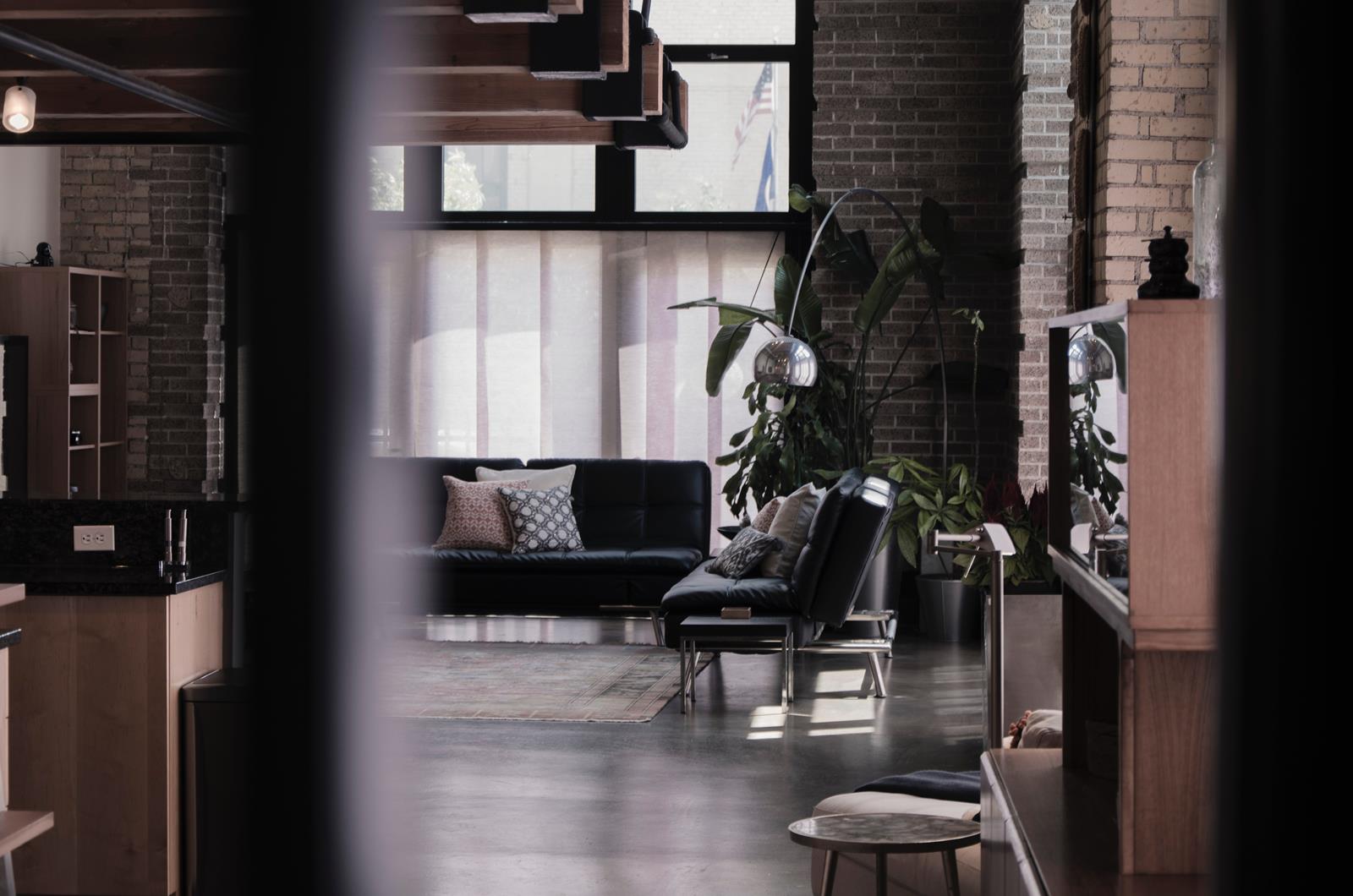
Furniture design has evolved significantly over the years, with both aesthetics and functionality playing equally important roles. One of the often-overlooked elements that contribute to both is tubing. Furniture tubing serves as the structural backbone of many modern pieces, offering support while also influencing the overall design style. From sleek metal frames to minimalist structures, tubing has become a key component in contemporary interiors.
Choosing the right type of tubing can greatly impact the durability, appearance, and usability of furniture. Whether used in chairs, tables, shelving units, or decorative accents, the material and design of tubing determine how well a piece fits into a specific space. With a wide range of options available, understanding the characteristics of each type can help designers and homeowners make informed decisions.
By exploring different furniture tubing options, individuals can create interiors that are not only visually appealing but also built to last.
Metal Tubing for Strength and Modern Appeal
Metal tubing is one of the most popular choices in furniture design due to its strength and versatility. Materials such as steel, aluminum, and iron are commonly used to create sturdy frames that can withstand daily use. These metals offer excellent durability, making them ideal for both residential and commercial furniture applications.
Steel tubing, in particular, is known for its high strength and resistance to wear, making it suitable for heavy-duty furniture. Aluminum, on the other hand, is lightweight and resistant to corrosion, making it a practical choice for modern and minimalist designs. Iron tubing adds a more industrial or vintage aesthetic, often used in rustic or loft-style interiors.
Many designers favor durable furniture tubing materials for modern interiors because they combine structural reliability with sleek visual appeal. Metal tubing can be finished in various ways, such as powder coating or polishing, allowing it to complement different interior styles.
Wooden Tubing for Warmth and Natural Design
Wooden tubing offers a softer and more organic look compared to metal options. It brings warmth and character into a space, making it a popular choice for interiors that emphasize comfort and natural elements. Although less common than metal tubing, wood can be shaped and crafted into rounded forms that serve both structural and decorative purposes.
This type of tubing is often used in furniture pieces like chairs, bed frames, and decorative accents. The natural grain and texture of wood add visual interest, creating a sense of authenticity and craftsmanship. Different types of wood, such as oak, maple, or bamboo, provide varying levels of strength and aesthetic appeal.
While wooden tubing may not offer the same level of strength as metal, it excels in creating a welcoming and timeless atmosphere. Proper treatment and maintenance can enhance its durability, ensuring that it remains a reliable option for interior design.
PVC and Plastic Tubing for Lightweight Solutions
PVC and plastic tubing are excellent choices for those seeking lightweight and cost-effective furniture solutions. These materials are easy to work with and can be molded into various shapes, making them ideal for creative and experimental designs. They are commonly used in casual or temporary furniture setups, as well as in children’s furniture and outdoor pieces.
One of the key advantages of plastic tubing is its resistance to moisture and corrosion. This makes it suitable for environments where exposure to water or humidity is a concern. Additionally, plastic tubing is available in a wide range of colors and finishes, allowing for greater design flexibility.
Despite being lightweight, modern plastic materials can offer surprising durability. When used correctly, they can support functional furniture while maintaining a clean and contemporary look. This makes them a practical choice for budget-friendly and versatile interior design projects.
Stainless Steel Tubing for Sleek and Premium Designs
Stainless steel tubing is often associated with high-end and modern interiors. Its polished finish and resistance to corrosion make it both visually appealing and highly durable. This type of tubing is commonly used in furniture that aims to achieve a clean, sophisticated look.
The reflective surface of stainless steel adds a sense of elegance and brightness to a space. It pairs well with materials such as glass, leather, and wood, creating a balanced and harmonious design. In addition to its aesthetic appeal, stainless steel is easy to maintain, requiring minimal effort to keep it looking new.
Designers frequently incorporate stainless steel tubing into furniture pieces that emphasize minimalism and functionality. Its ability to maintain structural integrity while offering a refined appearance makes it a preferred choice for modern homes and commercial spaces.
Mixed Material Tubing for Creative Interior Concepts
Combining different materials in furniture tubing allows for unique and innovative designs. Mixed material tubing often involves pairing metal with wood, glass, or plastic to create visually dynamic pieces. This approach enables designers to balance strength with aesthetic appeal, resulting in furniture that stands out.
For example, a table might feature a metal frame for stability while incorporating wooden elements for warmth. Similarly, chairs can combine plastic tubing with metal supports to achieve both comfort and durability. These combinations offer endless possibilities for customization and creativity.
Many homeowners exploring stylish furniture design ideas for modern homes are drawn to mixed material tubing because it allows them to achieve a personalized look. This approach not only enhances visual interest but also ensures that furniture meets both functional and stylistic needs.
Choosing the Right Tubing for Your Interior Space
Selecting the right furniture tubing involves considering several factors, including durability, design style, and intended use. Each material offers unique advantages, and the best choice depends on the specific requirements of the space. For instance, metal tubing may be ideal for high-traffic areas, while wooden tubing may be better suited for creating a cozy atmosphere.
It is also important to consider maintenance and longevity. Materials like stainless steel and aluminum require minimal upkeep, while wood may need regular care to maintain its appearance. Understanding these factors helps ensure that the chosen tubing remains functional and visually appealing over time.
By carefully evaluating these elements, individuals can select tubing that aligns with their design goals. This thoughtful approach ensures that furniture not only enhances the space but also provides long-term value.
Conclusion
Furniture tubing plays a crucial role in shaping both the structure and style of interior design. From the strength of metal to the warmth of wood and the versatility of plastic, each material offers unique benefits that cater to different needs and preferences. By understanding the characteristics of various tubing options, designers and homeowners can make informed decisions that enhance both functionality and aesthetics. Whether aiming for a modern, minimalist look or a more traditional and inviting atmosphere, the right tubing choice can significantly influence the overall outcome. Ultimately, selecting appropriate furniture tubing is about balancing durability, design, and practicality, ensuring that each piece contributes to a cohesive and well-designed interior space.