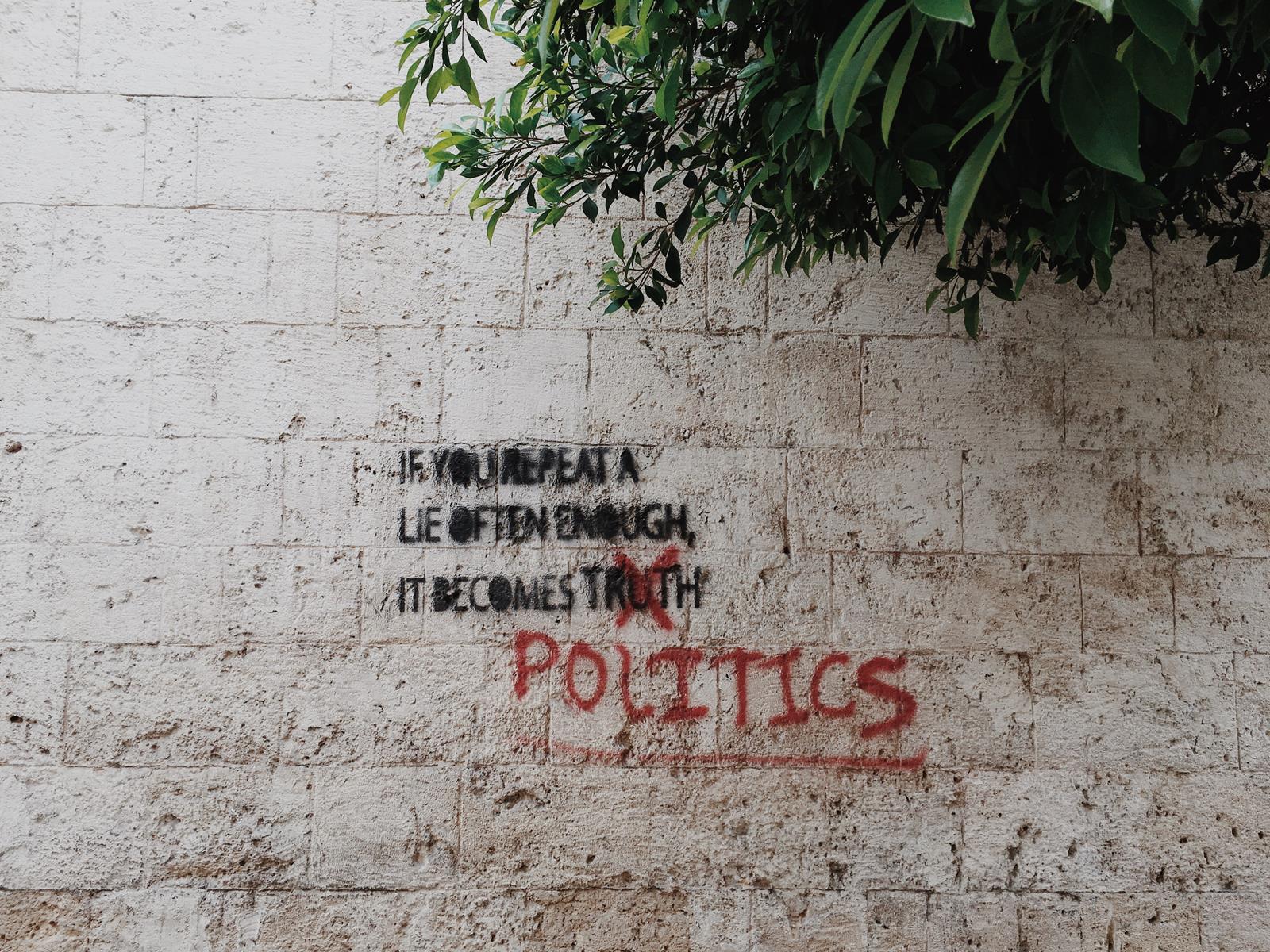
Politics is often described as complex, unpredictable, and, at times, chaotic. From shifting alliances to sudden policy changes, the political landscape rarely follows a straight path. This sense of disorder can make it difficult for individuals to fully understand how decisions are made and how they affect society. However, what appears to be chaos often reflects the dynamic nature of competing interests, diverse perspectives, and evolving priorities within governance.
Political systems are influenced by a wide range of factors, including economic pressures, social movements, and global events. These elements interact in ways that can create instability or rapid change. While this may seem disorganized, it also allows for adaptation and progress in response to new challenges.
Exploring political chaos provides valuable insight into how governments operate and how policies are shaped. By understanding its underlying causes and effects, individuals can better navigate and interpret the complexities of modern political systems.
The Nature of Political Chaos in Modern Systems
Political chaos is often the result of competing interests and conflicting priorities within a society. Governments must balance the needs of different groups, each with their own expectations and demands. This balancing act can lead to disagreements, delays, and sudden shifts in policy, creating an appearance of disorder.
In democratic systems, this complexity is even more pronounced. Multiple parties, public opinion, and media influence all contribute to the decision-making process. While this can slow down progress, it also ensures that a wide range of perspectives are considered.
Many analysts examine political dynamics and governance challenges in modern societies to better understand how chaos emerges. By studying these patterns, they can identify the factors that contribute to instability and the mechanisms that help maintain balance.
The Role of Power Struggles and Competition
Power struggles are a central element of political chaos. Political leaders, parties, and interest groups often compete for influence and control, leading to conflicts that shape policy outcomes. These struggles can occur within governments, between political factions, or on an international scale.
Competition is not inherently negative; it can drive innovation and accountability. However, when conflicts become intense or unresolved, they can lead to gridlock and inefficiency. This can delay important decisions and create uncertainty for both citizens and businesses.
Understanding the role of power dynamics helps explain why political systems can appear chaotic. It highlights the constant negotiation and compromise required to reach decisions that satisfy multiple stakeholders.
The Influence of Public Opinion and Media
Public opinion plays a significant role in shaping political outcomes. Citizens express their views through voting, protests, and public discourse, influencing the decisions of political leaders. This constant feedback loop can lead to rapid changes in policy direction, contributing to the perception of chaos.
Media also plays a powerful role in amplifying political events and shaping public perception. News coverage, social media, and digital platforms can quickly spread information, sometimes leading to heightened reactions and increased pressure on decision-makers.
This interaction between public opinion and media creates a dynamic environment where political narratives can shift rapidly. While this can lead to uncertainty, it also ensures that governments remain responsive to the needs and concerns of their citizens.
Economic and Global Factors Driving Instability
Economic conditions and global events are major contributors to political chaos. Economic downturns, trade disputes, and financial crises can create pressure on governments to act quickly, often leading to rapid policy changes. These decisions can have far-reaching effects on both domestic and international stability.
Global events, such as conflicts, environmental challenges, and technological advancements, also influence political systems. Governments must respond to these issues while balancing internal priorities, which can lead to complex and sometimes unpredictable outcomes.
The interconnected nature of modern economies means that events in one region can have ripple effects across the world. This global influence adds another layer of complexity to political decision-making.
The Balance Between Order and Adaptability
While political chaos can create challenges, it also allows for adaptability and progress. Systems that are too rigid may struggle to respond to new issues, while those that embrace flexibility can adjust more effectively. This balance between order and change is essential for long-term stability.
Policies and institutions are often designed to manage this balance. Checks and balances, legal frameworks, and regulatory systems help maintain order while allowing for necessary adjustments. These mechanisms ensure that change occurs within a structured environment.
For those exploring insights into global political trends and decision making, understanding this balance provides a clearer perspective on how systems evolve. It shows that what appears chaotic may actually be part of a larger process of adaptation and growth.
Challenges and Opportunities in Political Complexity
Political complexity presents both challenges and opportunities. On one hand, it can lead to inefficiencies, uncertainty, and conflict. On the other hand, it encourages dialogue, innovation, and the consideration of diverse perspectives.
Navigating this complexity requires strong leadership, effective communication, and a willingness to collaborate. Governments that can manage these elements effectively are better equipped to handle challenges and create positive outcomes.
Opportunities often arise from periods of change. New ideas, policies, and approaches can emerge in response to challenges, leading to progress and improvement. This highlights the potential benefits of embracing complexity rather than avoiding it.
Conclusion
Politics, often perceived as chaotic, reflects the dynamic and multifaceted nature of governance in modern society. The interplay of competing interests, public opinion, economic pressures, and global influences creates an environment that is constantly evolving. While this complexity can lead to uncertainty and challenges, it also enables adaptability and progress. By understanding the factors that contribute to political chaos, individuals can gain a deeper appreciation of how decisions are made and how systems function. Ultimately, political chaos is not merely disorder—it is a reflection of the ongoing process of balancing diverse perspectives and navigating change, ensuring that governance remains responsive and relevant in an ever-changing world.