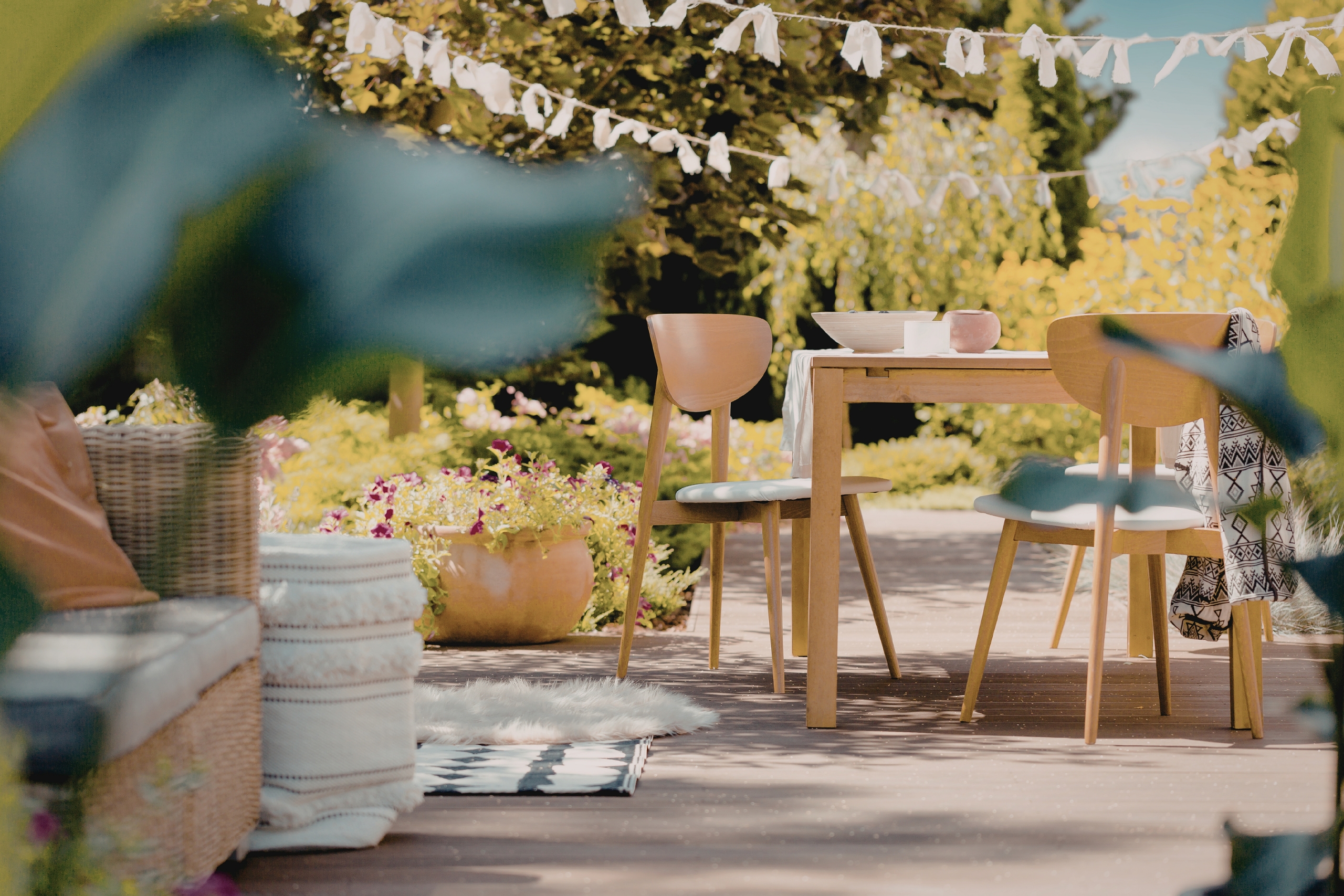
Designing a large patio or garden offers exciting opportunities to create a beautiful and functional outdoor space. With more area to work with, homeowners can explore a wide range of design ideas that combine comfort, style, and practicality. However, managing a large outdoor space also requires thoughtful planning to ensure that it does not feel empty or unorganized.
A well-designed patio and garden can serve multiple purposes, from relaxation and entertainment to outdoor dining and recreation. By dividing the space into different zones and incorporating a variety of elements, it becomes possible to create a cohesive and inviting environment.
Understanding how to maximize large outdoor areas helps homeowners transform their spaces into visually appealing and highly functional extensions of their property. With the right approach, even the largest gardens can feel balanced, purposeful, and enjoyable.
Creating Functional Zones for Better Layout
One of the most effective ways to design a large patio or garden is by dividing it into functional zones. This approach helps organize the space and ensures that each area serves a specific purpose. Common zones include seating areas, dining spaces, and recreational sections.
By clearly defining these zones, homeowners can create a sense of structure and flow. For example, a dedicated seating area with comfortable furniture can be used for relaxation, while a separate dining zone can accommodate outdoor meals and gatherings.
Many homeowners explore large patio and garden design ideas for outdoor living spaces to create a balanced layout. This method ensures that the space is both visually appealing and practical for everyday use.
Incorporating Landscaping Elements for Visual Interest
Landscaping plays a crucial role in enhancing the overall appearance of large outdoor areas. Adding elements such as trees, shrubs, and flower beds introduces color, texture, and depth to the space. These features help break up large open areas and create a more dynamic environment.
Pathways and garden borders can also be used to guide movement and define different sections. Materials such as stone, gravel, or wood add character and complement the natural surroundings.
Water features, such as fountains or small ponds, can further enhance the ambiance. These elements create a calming effect and add a focal point that draws attention.
Choosing the Right Furniture for Comfort and Style
Selecting appropriate furniture is essential for making large patios and gardens comfortable and inviting. Outdoor furniture should be durable, weather-resistant, and suited to the overall design theme.
Large spaces allow for a variety of seating options, including sofas, lounge chairs, and dining sets. Arranging furniture in groups helps create intimate areas within the larger space, making it feel more welcoming.
Adding cushions, rugs, and decorative accessories enhances comfort and style. These elements help tie the design together and create a cohesive look that reflects personal preferences.
Adding Lighting for Ambiance and Functionality
Lighting is an important aspect of outdoor design that enhances both functionality and atmosphere. Proper lighting allows the space to be used during the evening while also highlighting key features.
String lights, lanterns, and pathway lighting create a warm and inviting ambiance. Spotlights can be used to emphasize landscaping elements or architectural features, adding depth and visual interest.
Layered lighting, which combines different types of fixtures, ensures that the space is well-lit without being overwhelming. This approach creates a balanced and comfortable environment for various activities.
Incorporating Outdoor Features for Entertainment
Large patios and gardens provide the perfect opportunity to include features designed for entertainment. Outdoor kitchens, fire pits, and barbecue areas are popular additions that enhance the functionality of the space.
These features encourage social interaction and make the area suitable for hosting gatherings. A fire pit, for example, creates a cozy atmosphere and serves as a focal point for evening activities.
For those exploring outdoor living solutions for modern property design, incorporating entertainment features adds value and enhances the overall experience. These elements transform the space into a versatile area for both relaxation and socializing.
Maintaining Balance and Avoiding Clutter
While large spaces offer many possibilities, it is important to maintain balance and avoid overcrowding. Adding too many elements can make the area feel cluttered and reduce its visual appeal.
A thoughtful approach to design ensures that each feature has a purpose and contributes to the overall layout. Leaving some open space creates a sense of freedom and prevents the area from feeling overwhelming.
Regular maintenance is also essential for preserving the appearance of the patio and garden. Keeping plants trimmed, furniture clean, and pathways clear ensures that the space remains attractive and functional.
Conclusion
Designing a patio and garden for large areas requires a balance of creativity and practicality. By dividing the space into functional zones, incorporating landscaping elements, and selecting the right furniture and lighting, homeowners can create a cohesive and inviting outdoor environment. Adding features for entertainment further enhances the usability of the space, making it suitable for a variety of activities. At the same time, maintaining balance and avoiding clutter ensures that the design remains visually appealing and comfortable. With careful planning and attention to detail, large outdoor spaces can be transformed into beautiful and functional extensions of the home, offering both relaxation and enjoyment for years to come.